

- Pradha Homecare
- 22 Aug, 2025
- Home Care
Remote Monitoring Devices for Elderly: A Guide
Let’s be honest—trying to keep track of an aging parent’s health when you’re not around is tough. Maybe they live alone, maybe you’re in a different city, or maybe life just doesn’t leave room for daily check-ins. Either way, the worry never really goes away.
That’s why so many families are now turning to remote health monitoring tools. No, they’re not science fiction. These are real devices—some worn on the wrist, some placed near the bed—that quietly track things like heart rate, oxygen levels, or even movement during sleep. If something’s off, they send out an alert. Simple as that.
Patients don’t have to change their routine. They can go about their day, and you’ll get updates if anything needs your attention. That way, they stay independent—and you stay informed.This guide breaks it all down: what is remote monitoring for elderly, how these devices help, what to look for, and how to choose one that actually fits your family’s needs.
Looking for reliable elderly monitoring solutions in India? Contact Pradha Home Care today- +91 7303425050
What Are Remote Monitoring Devices for the Elderly?
In simple terms, they’re gadgets that help you in remote monitoring for elderly ,keeping track of their health and safety without being in the same room—or even in the same city. But all of them have one job: to quietly watch for warning signs.
We’re talking about tools that track things like:
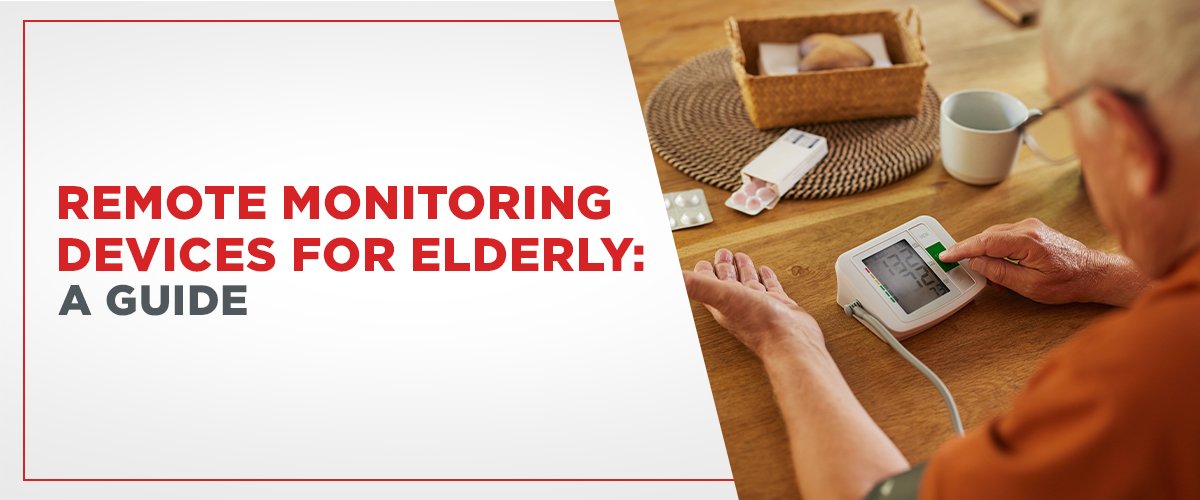
>Blood pressure
>Heart rate
>Oxygen levels
>Sleep quality
>Whether they’ve gotten out of bed or had a fall
Some even come with emergency buttons that your loved one can press if they feel unwell or unsafe.
There are options with GPS too—really useful if someone tends to wander or gets confused easily, like in the early stages of dementia.These devices send updates straight to your phone or computer, so you always have a general idea of how things are going at home.
Why It Actually Helps
If you’ve got an older parent or grandparent living alone, you’ve probably felt that uneasy “what if” feeling.These elderly monitoring gadgets matter more than most people think.They aren’t just tracking steps or sleep—they’re watching out for stuff that can go wrong fast. Like a sudden drop in oxygen levels. Or no movement all morning. Even something small, like a skipped dose, can spiral into a bigger issue if no one catches it early.
Plus, there’s the emotional part. Your loved one gets to stay at home, in their own bed, with their own routine. No constant check-ins. No hovering. But still, someone’s looking out for them.
Key Features to Look for in Remote Monitoring Devices
Honestly, there’s no one-size-fits-all answer here. What works for one elder might be totally wrong for another. That’s why it’s important to focus on features that match your loved one’s needs, not just flashy tech stuff.
Here’s what actually matters:
>Real-time health tracking. Heart rate, oxygen levels, blood pressure—all the essentials.
>Fall detection. Some devices automatically alert someone if a fall happens, even if the person doesn’t press a button.
>Reminders for medication. Forgetting pills even once or twice can cause serious issues.This device helps you with that.
>Two-way talk. Some wearables and monitors come with a built-in speaker and mic.
>Battery life. The longer, the better.
>Simple interface. If it’s confusing, it won’t get used. Make sure the screen, buttons, or app make sense to them.
>Also worth checking: does the device link to a mobile app or dashboard that you can access.It helps if you can view things from your end without having to call every time.
How These Devices Help Families
These elderly monitoring devices send you updates when something’s off. You don’t have to guess. And you don’t have to rely on someone picking up the phone to let you know something’s wrong.
Here’s what families usually say makes the biggest difference:
>Peace of mind. You know what’s going on—even when you’re not physically there.
>Faster response time. If something’s wrong, you’ll know right away and can act fast.
>Less stress. You’re not spending every hour wondering, “What if?”
>Better medical coordination. The data these devices collect can help doctors to know changes in medications or track symptoms without needing constant visits.
It’s not about replacing human care. It’s about backing it up with tools that keep everyone in the loop—without the 24/7 panic.
What It Costs (and What’s Covered)
Basic stuff, like an alert button, might cost you around ₹2,000 or so. If you’re looking at smart trackers that monitor heart rate or oxygen, that’s probably closer to ₹10,000 or even ₹20,000. Then there are the subscription-based setups, where you pay monthly for things like emergency support or 24/7 monitoring. Those usually start around ₹300 per month and go up from there.
If you’re working with a homecare provider, it’s worth asking—they might include devices in their service packages.
The Future of Elderly Monitoring Looks a Lot Smarter
Remote home health devices today are mostly about checking vitals or making sure someone’s okay after a fall. But way more intuitive systems that can catch problems before they happen are soon to be there.
For example, we’re already seeing devices that can spot unusual patterns—like when someone’s walking less, sleeping poorly, or skipping meals. The tech quietly picks up on changes, then flags them before things get worse.
And it doesn’t stop there. A few things we’ll probably see more of soon:
>AI-powered alerts that don’t just react but predict when help might be needed.
>Voice assistants that remind someone to take meds or call their doctor—without them lifting a finger.
>Wearables that automatically ping a doctor when something’s off.
>And smart home setups where your lights, locks, and even your stove know when something’s not right.
Call Now: +91 7303425050
Conclusion
Caring for older family members can feel overwhelming—especially when you’re juggling work, distance, and other responsibilities. That’s where these home health devices really make a difference. They don’t replace love or personal care, but they do give you more confidence that someone’s watching out when you can’t be there.
Whether it’s a smartwatch that checks heart rate or a sensor that sends out a fall alert, these small devices add a lot of safety and peace of mind.With the right device—and the right care partner like Pradha Home Care—you can give your family the peace of mind they deserve.
FAQs
Q: What do these devices actually do?
Ans: At the simplest level, they help keep an eye on things—like your parent’s heart rate, oxygen levels, or if they’ve had a fall. Some track sleep. Some send you a ping when something’s off. They’re like quiet watchdogs that don’t get in the way.
Q: Are they just for people with health issues?
Ans: Not at all. A lot of families use them for general peace of mind. Sure, they’re helpful if someone has a condition like diabetes or memory loss—but even active, healthy seniors benefit from having that safety net in place.
Q: Will we need a smartphone or Wi-Fi?
Ans: Not necessarily. Some devices are app-based, but others work with simpler setups. You don’t always need the latest tech to make it work. It depends on the model and how much remote access you want.
Q: Can they really help during an emergency?
Ans: Yes. If someone falls, or if their vitals suddenly drop, the system can notify a family member—or even emergency responders—right away. It doesn’t replace calling for help, but it sure speeds it up.