

- Pradha Homecare
- 25 Nov, 2025
- Home Care
Speech Therapy Benefits at Home
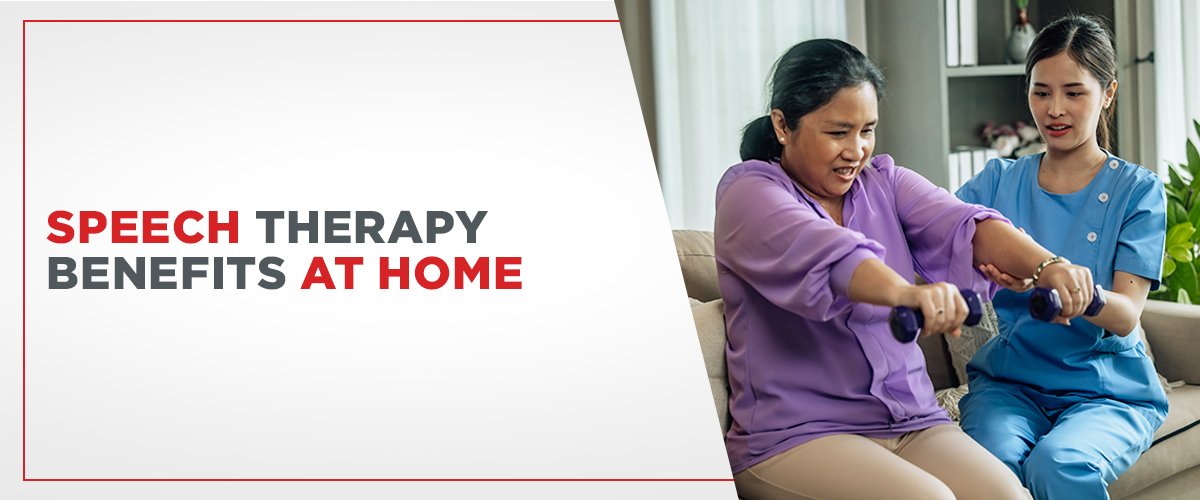
Professional speech therapy at home is a new way to help people improve their talking skills. It allows patients to receive care at the comfort of their homes where they feel secure and at ease. Therapies also allow therapists to make arrangements that are not huge alterations in the life of the patient, hence no drastic variation in the routine of the patient. It is effective with individuals who have difficulties speaking following a stroke, children who require language assistance early or any other people that experience difficulties in swallowing.
In case you require therapy in your own location, Call at +91 7303425050.
[People Also Like To Read: Need for a Trained Baby Care Taker at Home in Greater Noida]
Advantages of Comfort and Familiar Environment
Getting speech therapy at home offers many mental benefits. Individuals who fear talking are typically at ease working in an environment that they are accustomed to.
People who endured a stroke and other issues feel less comfortable in a hospital or a clinic. It is known that home therapy assists in this issue. Since the patient feels at home, he or she will have more motivation to speak, attempt more for activities, and remain attentive. The therapist is able to observe them on the day-to-day life and instruct them
It also helps a lot during the absence of traveling, particularly to the older population or individuals lacking easy mobility. They can use this energy to undergo therapy instead of using it to get to a clinic. An effect is more efficient during the sessions.
Improved Caregiver Involvement.
Home therapy assists the families of the patient in various ways. The family members are also able to observe the way the therapist works and how they can assist the patient in the house. They have the ability to practice using everyday things.
This particularly applies to children who require additional assistance, or older people who are still recuperating. The families enjoy some of the advantages which include:
>The parents are taught to assist with speaking exercises.
>Spouses get to know how to facilitate the recovery of the patient.
>Family members get to know how to communicate with the patient.
>The caregivers are informed about what to observe and when to seek assistance.
>Extended families get to know about communication disorders and ways of assistance.
Since relatives undergo this training, they will be able to continue assisting during the intervals between them, resulting in faster and longer-term recovery. Everyone can practice since therapists can use the things around the home.
Practical Application and Expertise.
Therapists are aware that what is learned in a clinic do not necessarily apply to the outside world. This is fixed by home therapy as the patient is taught in the same locations that he/she requires the skills.
Therapists monitor the way patients converse during dinner, on phone, or with their visitors. They ensure that help provided is beneficial in day-to-day life of a patient. This enhances their independence in life.
Individualized Course of interventions.
Personalized Evaluation and Treatment.
The therapist can fully check the manner in which a patient talks, in his natural surroundings and daily routine at home. This provides a more accurate diagnosis and a more realistic plan to the real life of the patient.
The therapist observes the way the patient communicates with family, performs daily activities, and reacts to common things that are heard or seen. This provides hints that one will overlook during a clinic visit and gain assistance.
Adaptive Devices and Modifications to the Environment.
At home, therapists may propose tools that are already present or their addition may be easy. This renders the instruments more realistical in the long term.
Therapists are able to seek obstacles within the house and prescribe. As an example, turning on lights to read lips, how to make noises less, or simply use the available technology that facilitates communication.
Special needs and recovery services.
After-stroke Communication Recovery.
Individuals who experience strokes experience difficulties in communicating, vocabulary, and cognition. Home therapy provides a consistent, individual assistance when the patient is in the family staying through a challenging period of time.
The emotional half of losing speech also is assisted by the therapist. The anxiety and depression is lower in the home environment, and the presence of family members provides stable support.
Child Development and Early Intervention.
Children experiencing speech delay will see a lot of assistance in case of home-based therapy. They feel secure and can learn with the use of toys and games.
Home therapy enables the parents to be taught how to assist in normal daily activities. It is particularly effective with children with autism, delays, or other problems related to language.
Swallowing Disorders and Safety
Difficulties in swallowing should be evaluated by observing the location and manner of how the patient eats. Home therapy allows therapists to examine the kitchen, food and meal times. Their advice is realistic and long-term in nature and ensures the safety and wellness of the patient.
Do you have difficulties in talking or swallowing? To discuss the complicated issues with communication at home, call +91 7303425050 to get in touch with specialists who will also be able to help you.
Conclusion
The evolution of communication therapy through home‑based Speech Therapy services represents a significant advancement in rehabilitation accessibility and effectiveness. Professional therapeutic interventions can also be offered in friendly settings integrating the abilities of licensed speech-language pathologists but with the comfort and support systems that no other environment can offer. This approach to Speech Therapy ensures that patients receive personalized, family‑integrated care that addresses not only communication challenges but also the emotional and practical aspects of recovery and development. Whether supporting stroke survivors, children with developmental delays, or individuals managing chronic communication disorders, home‑based Speech Therapy creates optimal conditions for therapeutic success while maintaining the dignity, comfort, and family connections that contribute significantly to positive treatment outcomes and improved quality of life.
[People Also Like To Read: Newborn Care at Home: Services You Can Expect in Noida]
Frequently Asked Questions
1.What types of communication disorders can be treated with home-based speech therapy?
Ans: Home therapy is able to treat aphasia, dysarthria, dysphagia, childhood language delays, stuttering, voice disorders and cognitive-communication problems caused by the neurological disorder.
2. How do home speech therapy sessions differ from clinic‑based treatments?
Ans: Familiar places and routine activities are applied as therapy tools in home sessions, the family is more involved, and a closer individual study of the needs of real-life communication takes place.
3. Can children with autism spectrum disorders benefit from home‑based speech therapy?
Ans: Yes. The known environment minimizes anxiety and overstimulation of the senses and therapists can make better help using the favorite toys and routines of the child.